

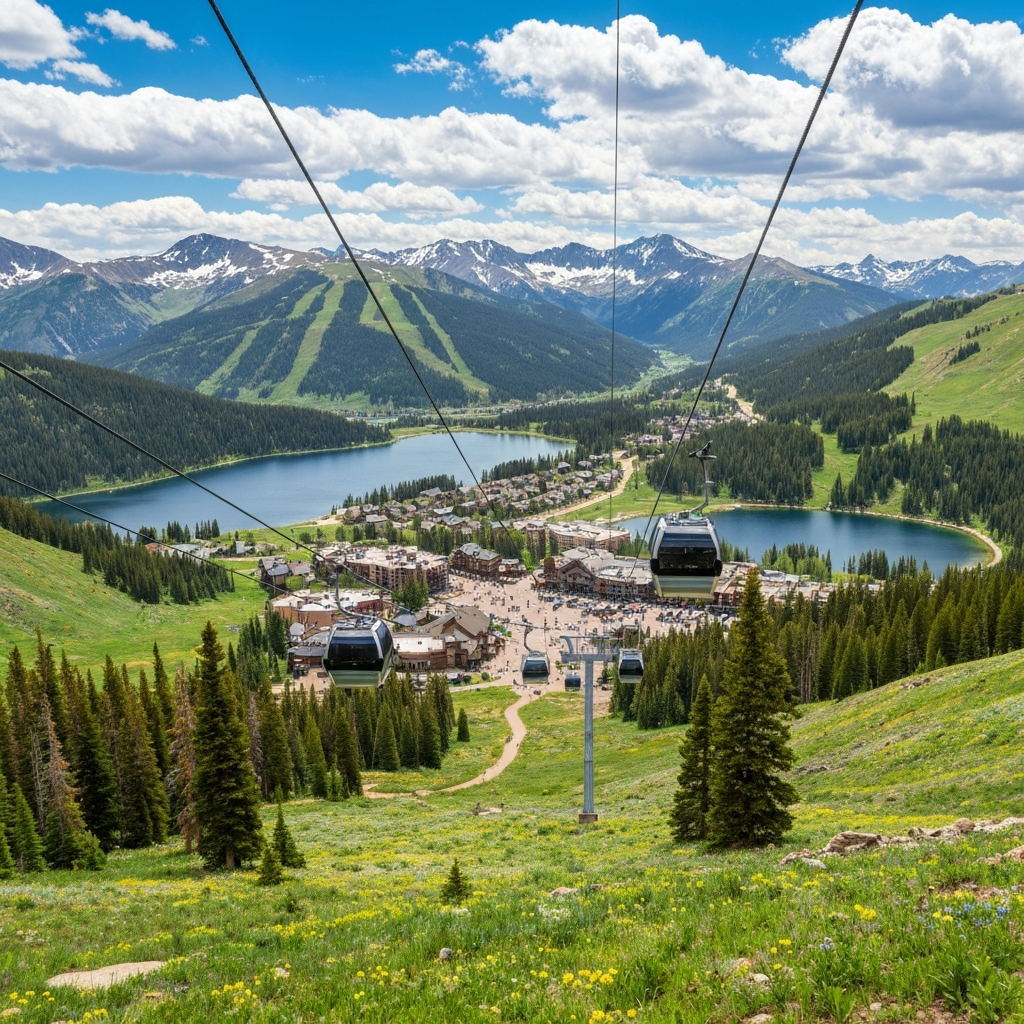
Keystone, Colorado, offers a dynamic climate that shapes the experiences of residents and visitors throughout the year. Understanding these patterns can enhance appreciation for the area’s natural beauty and inform outdoor activities.
Winter: Snowy and Cold
From December through February, Keystone experiences its coldest months. Average high temperatures hover around 30°F (-1°C), with lows dipping to 5°F (-15°C). Snowfall is abundant, creating ideal conditions for skiing and snowboarding enthusiasts.
Spring: Gradual Warming
March to May brings a gradual increase in temperatures. By May, average highs reach 56°F (13°C), while lows are around 28°F (-2°C). This period sees a mix of rain and snow, with precipitation averaging 1.94 inches (49 mm) in April. The melting snow contributes to the rejuvenation of local flora and the swelling of streams and rivers.
Summer: Mild and Pleasant
June through August offers the warmest weather, with average highs peaking at 72°F (22°C) in July. Nights remain cool, averaging around 40°F (4°C). Summer also brings increased rainfall, with July receiving approximately 2.28 inches (58 mm) over 13 days. These conditions support lush vegetation and vibrant wildflowers, making it a popular time for hiking and mountain biking.
Fall: Cooling Temperatures
September to November sees a gradual cooling. By October, average highs are around 58°F (14°C), with lows near 27°F (-3°C). Precipitation decreases, and the landscape transforms with autumnal colors, offering picturesque views and a quieter atmosphere before the winter season.
Environmental Considerations
Keystone’s climate influences local ecosystems and recreational activities. For instance, the Snake River, which flows through the area, has been affected by climate change. Warmer temperatures and altered precipitation patterns have impacted water quality, posing challenges for aquatic life and water management efforts. Ongoing environmental initiatives aim to address these issues and preserve the natural integrity of the region.
Understanding Keystone’s climate patterns is essential for residents and visitors to make informed decisions about outdoor activities and to appreciate the environmental dynamics of this unique mountain community.